
Table of Contents
ToggleBrass has a way of catching light that few materials can match. It’s warm, sophisticated, and versatile enough to work in everything from a farmhouse kitchen to a modern loft. Unlike trendy finishes that look dated in five years, brass wall decor has staying power, it’s been used in homes for centuries and shows no signs of going anywhere. Whether it’s a sculptural piece over the sofa or a vintage-inspired mirror in the entryway, brass adds depth and character without overwhelming a room. This guide covers the types, styling tips, DIY projects, and maintenance essentials for working with brass on your walls.
Key Takeaways
- Brass wall decor offers timeless sophistication with a natural patina that improves with age, making it a durable alternative to trendy finishes that fade in a few years.
- Popular brass wall decor includes mirrors, frames, sculptural art, and sconces that work across all room types, from bathrooms to bedrooms, by pairing with one to two complementary metal finishes.
- Lacquered brass requires minimal cleaning with a microfiber cloth, while unlacquered brass develops character over time but benefits from monthly wiping with mild soap and water to control patina.
- DIY brass projects like hex grid shelves, trimmed cork boards, and photo wire displays are accessible without metalworking skills and allow customization without expensive professional installation.
- Scale and room lighting are critical when styling brass wall decor—keep pieces proportional to ceiling height and position them where natural light enhances their reflective warmth.
Why Brass Wall Decor Is Making a Comeback
The resurgence of brass isn’t just nostalgia, it’s a response to the cold minimalism that dominated the 2010s. Homeowners are gravitating toward warmer metals that add texture and visual interest. Brass develops a natural patina over time, which means it actually improves with age rather than looking worn out.
Unlike painted or lacquered finishes, unlacquered brass reacts to air and handling, creating a living finish that’s unique to each piece. Some prefer the bright, polished look and opt for lacquered brass, which resists tarnishing. Both have their place depending on the aesthetic.
Brass also plays well with other materials. It complements wood tones, softens against whites and grays, and holds its own next to black fixtures or iron hardware. That versatility makes it easy to layer into existing decor without starting from scratch.
From a practical standpoint, brass is durable. It won’t rust like iron or dent as easily as aluminum. For wall-mounted pieces, that means fewer worries about damage from accidental bumps or humidity in kitchens and bathrooms.
Popular Types of Brass Wall Decor for Every Room
Brass Mirrors and Frames
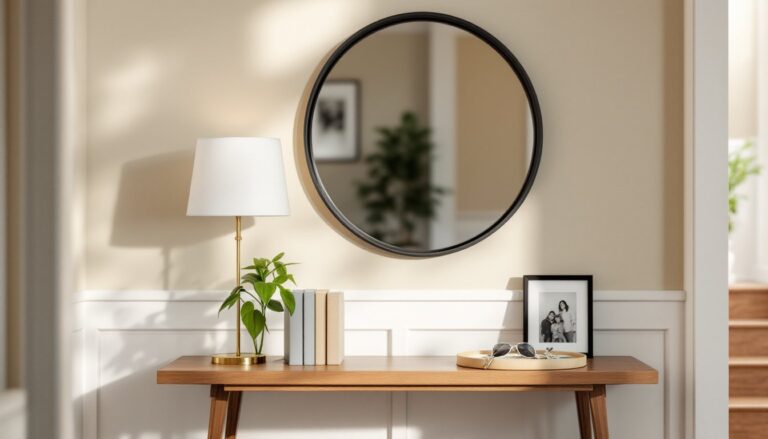
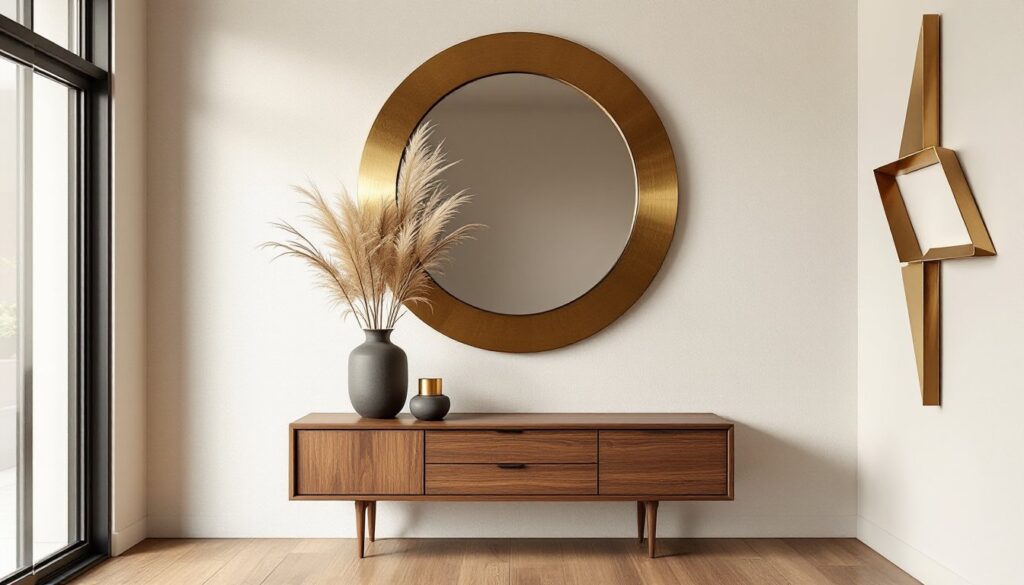
Brass-framed mirrors are one of the most common ways to introduce the metal into a space. A round mirror with a brushed brass rim works in entryways, bathrooms, or above a console table. The frame width matters, thicker frames (2-4 inches) make a statement, while slim profiles (½ to 1 inch) feel more understated.
For picture frames, brass adds warmth to gallery walls. Mixing brass frames with black or wood tones creates depth. Most brass frames are made from brass-plated steel or solid brass: solid brass is heavier and more expensive, but it ages better and won’t flake if scratched.
Oversized mirrors (36 inches or larger) benefit from the structure brass provides. Look for models with welded or soldered corners rather than glued joints, especially for pieces that will hang in high-traffic areas.
Sculptural Wall Art and Metal Accents
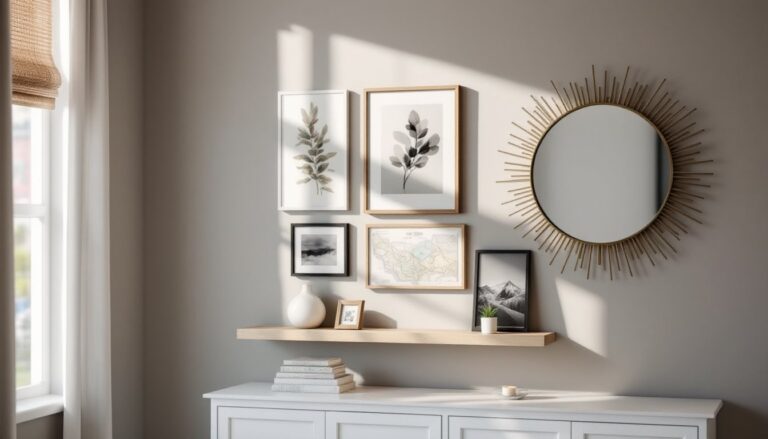
Brass wall sculptures range from abstract geometric shapes to organic, nature-inspired forms. Sunburst designs remain popular, radiating spokes that reflect light and add dimension. These work particularly well in rooms with neutral palettes where they can serve as a focal point.
Other options include brass wall sconces (functional lighting that doubles as decor), hanging planters, and relief panels. Sculptural pieces are often made from brass sheet metal (typically 18-22 gauge for durability without excessive weight) or cast brass for more intricate designs.
Three-dimensional pieces add shadow and movement as light shifts throughout the day. When selecting sculptural decor, consider the wall color, brass pops against dark blues, greens, and charcoals but can get lost on beige or tan without adequate contrast.
Many contemporary artists are incorporating reclaimed brass elements into mixed-media wall art, combining metal with wood, glass, or stone for textural variety.
How to Style Brass Wall Decor in Your Home
Start by identifying the room’s existing metal finishes. Brass pairs beautifully with matte black, oil-rubbed bronze, and brushed nickel, but mixing too many metallics can feel chaotic. A good rule: stick to two or three metal finishes per room, with one as the dominant tone.
In living rooms, position brass pieces where they’ll catch natural or ambient light. A sculptural panel above a fireplace or beside a window creates movement. Avoid placing brass in direct, harsh sunlight for extended periods if it’s unlacquered, UV exposure can accelerate patina development unevenly.
Bathrooms benefit from the moisture resistance of brass, especially lacquered varieties. A brass mirror frame or wall-mounted soap dish adds a spa-like quality. Just ensure any wall-mounted hardware uses corrosion-resistant anchors (stainless steel or coated) to prevent rust stains.
Kitchens are trickier. Brass can work as accent wall decor near dining areas, but keep it away from grease-prone zones unless you’re prepared for frequent cleaning. A brass clock, small shelves with brass brackets, or a mounted pot rack can tie into brass cabinet hardware.
For bedrooms, brass brings warmth without being overly bold. Pair it with soft textiles, linen, velvet, or cotton, to balance the metal’s reflective quality. A brass-framed mirror above a dresser or a geometric wall sculpture flanking the bed creates symmetry.
Scale matters. In rooms with 8-foot ceilings, keep wall decor proportional, pieces larger than 30 inches can overwhelm. Rooms with higher ceilings (10+ feet) can handle oversized installations or vertically stacked arrangements.
DIY Brass Wall Decor Projects You Can Try
Creating custom brass decor doesn’t require metalworking skills. Start with a brass hex grid shelf. Materials include brass-plated or solid brass hexagonal shelving (available at home improvement stores), #8 wood screws, and wall anchors rated for the expected load. Mark stud locations with a stud finder, level the frame, and secure with screws driven into studs or toggle bolts for drywall.
Another accessible project: a brass-trimmed corkboard or fabric panel. Purchase ½-inch brass L-channel or flat bar stock (sold in 3- to 6-foot lengths), cut to size with a hacksaw or miter saw with a metal-cutting blade, and attach to a plywood or MDF backing using brass escutcheon pins or small brass screws. Wear safety goggles and work gloves, metal edges are sharp.
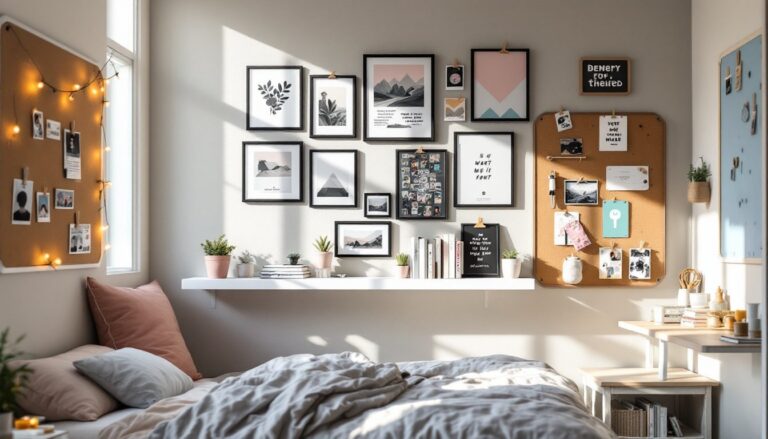
For a floating brass photo display, use brass wire or rod (1/16 to ⅛ inch diameter) stretched between two eye hooks. Photos clip on with small brass binder clips or mini clothespins. This works well for rotating wall decor ideas without putting new holes in the wall.
If working with raw brass sheet (available online or at metal supply shops), remember it’s sold by gauge, 20-gauge is workable by hand for small projects, while 16-gauge and thicker requires tin snips or a metal shear. Deburr all cut edges with a file to prevent injuries.
Finishing options: leave unlacquered for patina development, apply Renaissance Wax for a protective sheen without yellowing, or use a spray lacquer (in a well-ventilated area) to lock in the bright finish. For creative inspiration on textures and mixed-material projects, design-focused resources can provide visual references.
Safety note: When cutting or drilling brass, use ear protection and a dust mask. Brass dust is an irritant, and power tools generate noise that can damage hearing over time.
Caring for and Maintaining Your Brass Wall Pieces
Lacquered brass requires minimal upkeep. Dust with a microfiber cloth and wipe with a damp (not wet) cloth as needed. Avoid abrasive cleaners or scrubbing pads, they’ll scratch the lacquer and expose the brass underneath to tarnishing.
Unlacquered brass will tarnish, and that’s often the appeal. If you prefer the aged look, simply dust regularly. To slow patina, wipe pieces monthly with a cloth dampened with mild dish soap and water, then dry immediately. Moisture accelerates oxidation.
To restore shine, use a brass polish like Brasso or a homemade paste of equal parts flour, salt, and white vinegar. Apply with a soft cloth in circular motions, let sit for 10-15 minutes, then buff with a clean cloth. This works on solid brass but will damage plating if rubbed too aggressively.
For intricate designs or textured surfaces, an old toothbrush helps work polish into crevices. Rinse thoroughly and dry to prevent residue buildup.
If a piece develops verdigris (green or blue-green corrosion), it’s reacting to moisture and oils. Remove it with a paste of baking soda and lemon juice, gently scrub, rinse, and dry. If verdigris persists, the piece may need professional refinishing.
Wall-mounted brass that’s exposed to kitchen grease benefits from quarterly cleaning with a degreasing dish soap diluted in warm water. Dry immediately to prevent water spots.
When handling brass during cleaning, wear nitrile gloves if you want to prevent oils from your hands from accelerating patina. Some people embrace the hand-worn look, it’s a personal choice, but consistency matters for a cohesive appearance across multiple pieces. Techniques for maintaining decorative finishes are often shared by DIY-focused communities with hands-on experience.