

Table of Contents
ToggleTransforming a bland room into a vibrant space can feel like a daunting task. Enter the accent wall—your home’s secret weapon for instant personality. With just one wall dressed in a bold color or eye-catching pattern, a room can go from “meh” to “wow” faster than you can say “paint swatch.” It’s like giving your living room a stylish makeover without the hassle of a full renovation.
What Are Accent Walls?
Accent walls serve as focal points in a room. These specific walls feature bold colors or unique patterns, standing out from the surrounding decor. Homeowners often choose a single wall to highlight, creating visual interest.
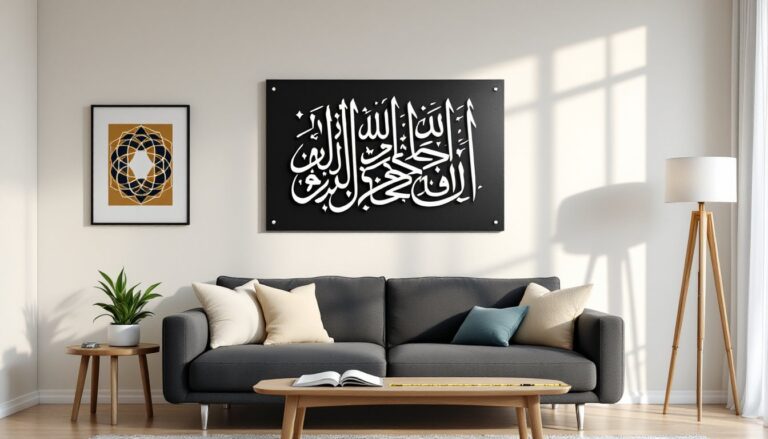
Designers recommend using accent walls to infuse personality into various spaces, such as living rooms, bedrooms, or offices. Various materials like paint, wallpaper, wood panels, or tile work can transform an ordinary wall into a striking element. When selecting a color, consider how it interacts with existing furnishings and lighting. Bright hues can energize a space, while darker shades provide a sense of intimacy.
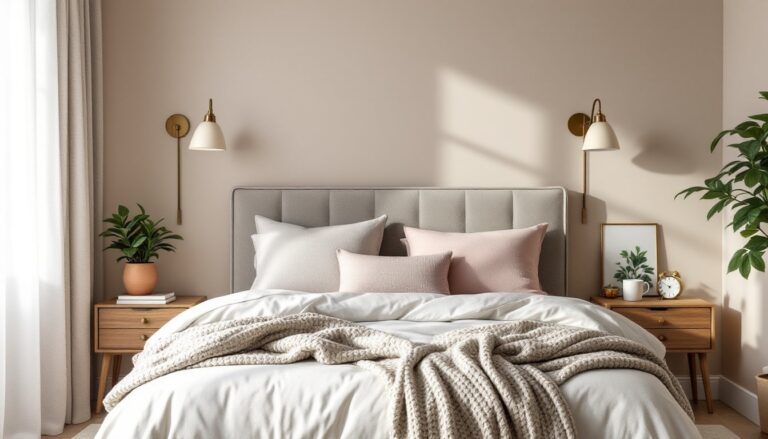
Placement plays a crucial role in the effectiveness of an accent wall. Ideally, position it across from a room’s entry point, drawing immediate attention. Another popular choice involves using an accent wall behind prominent furniture, such as a bed or sofa. This placement can create depth and enhance the room’s overall design.
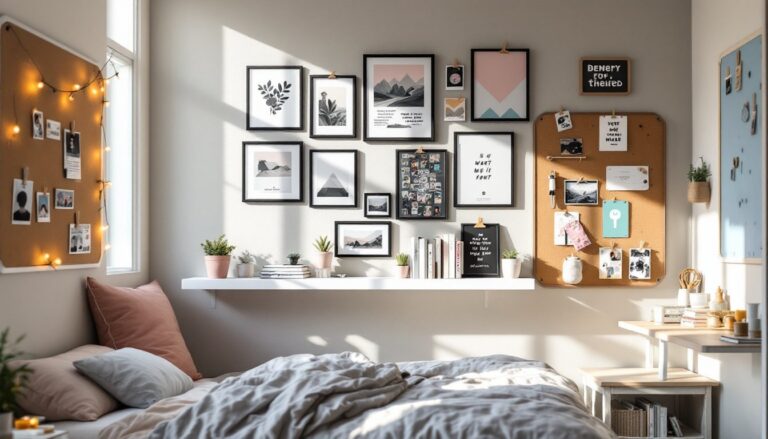
Patterns on accent walls can also add a dynamic touch. Geometric designs, floral motifs, or even chalkboard paint offer versatility and creativity. Homeowners may opt for a design that reflects personal style while complementing other decor elements.
Accent walls are an effective way to elevate a room’s ambiance. They can be tailored to fit any theme or taste, showcasing individual preferences through color and design choices.
Advantages of Accent Walls
Accent walls offer several benefits that enhance the overall ambiance of a room. Homeowners frequently enjoy their ability to add vibrancy to their spaces.
Aesthetic Appeal
Accent walls significantly elevate a room’s visual interest. Diverse design choices, such as bold colors or unique patterns, can create stunning contrasts with existing decor. Many homeowners find that selecting a bright hue infuses energy into a space, while darker tones add depth and sophistication. Wallpaper featuring intricate designs provides an additional layer of texture, appealing to various tastes and styles. Accent walls not only enhance a room’s aesthetic but also serve as reflections of individual personality and preferences.
Focal Point Creation
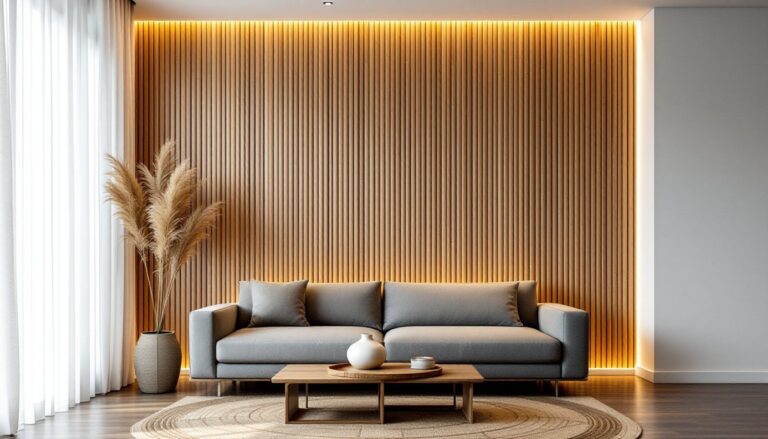
Creating a focal point with an accent wall transforms a dull area into one with purpose. Positioning an accent wall strategically, such as behind a sofa or bed, naturally draws the eye. This technique helps to anchor the room and establish a visual hierarchy. Designers recommend using contrasting materials, like wood panels or tiles, alongside complementary colors to frame the feature. A well-placed accent wall enhances the sense of space and gives the room character, making it the centerpiece of attention.
Types of Accent Walls
Accent walls come in various forms, each offering distinct styles and impacts. Following are two prominent categories.
Paint Options
Painting an accent wall provides one of the most straightforward methods to create a focal point. Homeowners can select bold or muted colors to fit their room’s theme. Bright colors often energize the space, while darker shades add depth and warmth. Different finishes, such as matte or glossy, can further enhance the visual effect. Using techniques like ombre or color blocking allows for additional complexity. Many design experts recommend coordinating paint colors with existing decor to ensure harmony and balance.
Material Choices
Material options for accent walls expand the design possibilities significantly. Wood panels introduce warmth and texture, making them ideal for rustic or contemporary settings. Brick or stone offers an industrial feel, adding character and permanence to spaces. Wallpaper, available in various patterns and textures, can inject personality with ease. Fabric panels create softness and acoustical benefits, while tile provides durability and elegance, especially in bathrooms or kitchens. Combining these materials with complementary colors can heighten visual interest and create unique effects.
How to Choose the Right Accent Wall
Choosing the right accent wall involves considering room characteristics and selecting suitable color schemes. Ignoring these factors may lead to an ineffective design choice.
Room Considerations
Room dimensions influence accent wall decisions. Larger rooms accommodate bold patterns, while smaller spaces benefit from lighter colors. Natural light plays a key role; sunny rooms can handle deeper shades without feeling cramped. Focus on furniture arrangement as well; an accent wall behind a significant piece draws the eye and enhances depth. Additionally, consider architectural features. A unique wall shape or texture can add to the overall effect, creating a cohesive look in line with the room’s personality.
Color Schemes
Color selection should harmonize with existing decor. Complementary colors create balance, while contrasting hues add vibrancy. Light colors can make spaces feel larger, whereas darker tones foster intimacy. When choosing paint or materials, examine the undertones in existing furnishings; warm tones in furniture pair well with earthy accent shades. Use samples to visualize color placement; this method ensures preferences align with the desired atmosphere. Evaluate how colors interact with artificial lighting as well, since evening light can shift tonal perceptions dramatically.
Accent walls offer an exciting way to personalize and elevate any room. With a variety of colors and materials to choose from, homeowners can easily create striking focal points that enhance the overall ambiance. By thoughtfully considering placement and color interactions, an accent wall can transform a space from ordinary to extraordinary. Whether opting for bold paint or unique textures, the right choice can reflect individual style while adding depth and vibrancy. This design element not only energizes a room but also allows for creative expression, making it a popular choice for those looking to refresh their interiors.