


Table of Contents
ToggleCreating a bedroom that feels elegant doesn’t require a designer budget or a complete gut job. It’s about making intentional choices with color, texture, and lighting, decisions that layer together to create a cohesive, sophisticated space. Whether you’re refreshing a tired guest room or finally tackling your own primary suite, these seven strategies focus on achievable upgrades that deliver noticeable results. Think quality over quantity, timeless materials over trends, and a clear plan before the first purchase.
Key Takeaways
- Classy female bedroom decor starts with a neutral color foundation paired with strategic accent colors—jewel tones like emerald and sapphire add richness without overwhelming the space.
- Quality bedding with 300–500 thread count cotton, layered textures, and floor-to-ceiling curtains create a sophisticated, hotel-like aesthetic that elevates the entire room.
- Statement lighting fixtures (chandeliers or dimmers) and properly scaled table lamps set a refined tone while dimmer switches allow flexible mood control.
- Timeless furniture with clean lines, quality materials, and subtle finishes resists dating better than trendy pieces and forms the foundation of elegant bedroom design.
- Layering diverse textures—combining wool rugs, linen curtains, wood, ceramic, and metallics—creates visual depth and warmth without relying on color alone.
- Thoughtful decorative accents in odd numbers, minimal wall art, and carefully edited vignettes maintain sophistication by emphasizing quality over quantity.
Choose a Sophisticated Color Palette
Start with a neutral foundation, soft whites, warm grays, or muted beiges on walls and larger surfaces. These tones provide flexibility and won’t visually shrink a room. If painting, use a satin or eggshell finish for easier cleaning and subtle light reflection. One gallon typically covers 350–400 square feet, so measure your wall area (length × height minus windows and doors) before buying.
Introduce accent colors through smaller elements: throw pillows, artwork, or a single upholstered chair. Jewel tones like emerald, sapphire, or deep plum add richness without overwhelming the space. Stick to two or three accent shades max to avoid a chaotic look.
Avoid high-contrast patterns on large surfaces. Bold geometric prints can date quickly and clash with future updates. Instead, opt for tone-on-tone textures, linen wallpaper, subtle damask, or a barely-there stripe. These add visual interest without competing for attention.
Test paint samples on at least two walls before committing. Natural light changes throughout the day, and what looks soft at noon can read cold at sunset. Paint a 2×2-foot section and observe it over 48 hours in varying light conditions.
Invest in Luxurious Bedding and Textiles
Quality bedding transforms both comfort and appearance. Look for 100% cotton sheets with a thread count between 300–500. Higher isn’t always better, anything over 600 often uses multi-ply yarns that trap heat and pill faster. Percale weave offers a crisp, cool feel: sateen delivers a softer, silkier finish.
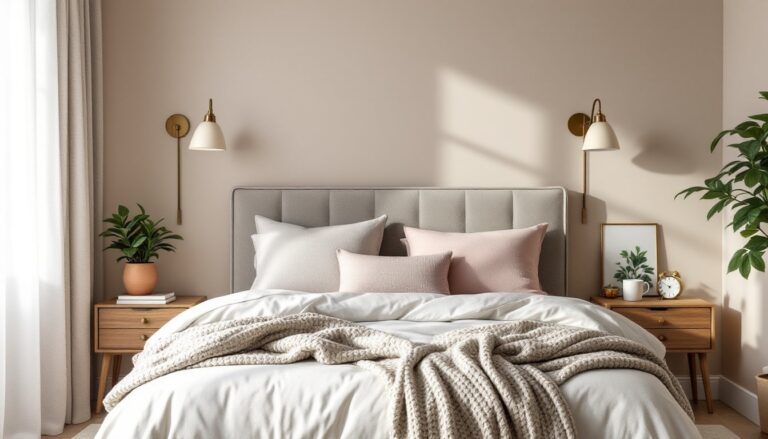
Layer a duvet or coverlet over your top sheet. White or ivory duvets in natural fabrics (cotton, linen, or wool-blend) maintain a clean, hotel-like aesthetic and simplify laundering. Add a quilted or textured throw at the foot of the bed in a complementary shade, this breaks up solid expanses and adds dimension.
Pillows deserve attention beyond standard bed pillows. Euro shams (26×26 inches) layered behind standard shams (20×26 inches) create depth. Add one or two smaller lumbar or boudoir pillows in front for a polished finish. Remove decorative pillows at night: they’re for show, not sleep.
Curtains should hit the floor or puddle slightly, never hover mid-wall. Use floor-to-ceiling panels hung on rods mounted 4–6 inches above the window frame to visually heighten the room. Choose heavier fabrics like velvet or lined linen for light control and insulation. Many elegant bedroom ideas incorporate floor-length drapery to amplify vertical space and frame windows gracefully.
Incorporate Statement Lighting Fixtures
A ceiling fixture sets the tone. Swap builder-grade flush mounts for a chandelier, semi-flush pendant, or drum shade fixture with visual weight. Aim for a fixture diameter roughly one-third the width of your bed or nightstand grouping. For a queen bed (60 inches wide), a 20–24 inch diameter chandelier works proportionally.
Install fixtures on a dimmer switch. Most modern LED-compatible dimmers cost $15–30 and require basic wiring knowledge, turn off power at the breaker, connect the hot (black), neutral (white), and ground (copper or green) wires per the manufacturer’s diagram. If you’re uncomfortable working with electrical, hire a licensed electrician. This is a 15-minute job for a pro.
Table lamps flanking the bed should be proportional. For nightstands 24–28 inches tall, choose lamps 24–27 inches high (measured to the top of the shade). Use matching pairs for symmetry, or mix finishes (brass and ceramic, for instance) if they share a similar scale and style.
Consider a wall-mounted sconce if nightstand space is tight. Hardwired sconces require running electrical through the wall, a job best left to an electrician unless you’re comfortable cutting drywall, fishing wire, and patching. Plug-in sconces offer a simpler alternative: just route the cord behind furniture or use a cord cover painted to match the wall.
Add Elegant Furniture with Timeless Appeal
Choose a bed frame with clean lines and quality materials. Upholstered headboards in linen or velvet add softness, while wood or metal frames offer durability. Avoid overly ornate carvings or trendy silhouettes (like ultra-low platform beds) that may feel dated in five years.
Nightstands should be within 2–4 inches of your mattress height for comfortable reach. Drawers beat open shelving for hiding clutter. If space allows, a bench or settee at the foot of the bed provides seating and a landing spot for throws or tomorrow’s outfit.
A dresser or chest of drawers anchors the room and reduces closet overflow. Measure your wall space and doorways before buying, most standard dressers run 30–40 inches tall and 48–72 inches wide. Ensure you can open drawers fully without hitting the bed or door swing.
Finish matters. Wood veneer over solid wood cores offers stability at lower cost than solid hardwood and resists warping. Painted finishes (white, gray, navy) hide wear better than high-gloss lacquers, which show every fingerprint. Designers often use timeless bedroom designs to emphasize furniture with subtle detailing and durable finishes that age gracefully.
Layer Textures for Depth and Warmth
Texture creates visual interest without color. Combine smooth, rough, soft, and reflective surfaces in the same room. Pair a sleek lacquered nightstand with a chunky knit throw, or balance linen curtains with a plush wool rug.
A wool or wool-blend area rug grounds the bed and defines the sleeping zone. Size it so at least the front legs of nightstands sit on the rug, or go larger with an 8×10 or 9×12 rug that extends 18–24 inches beyond the bed on three sides. Avoid tiny accent rugs that look like afterthoughts.
Woven baskets, ceramic vases, or wood trays on dressers and shelves add tactile variety. Mixing materials, a marble tray on a wood dresser, for example, keeps surfaces from feeling flat. Just don’t overcrowd: leave negative space.
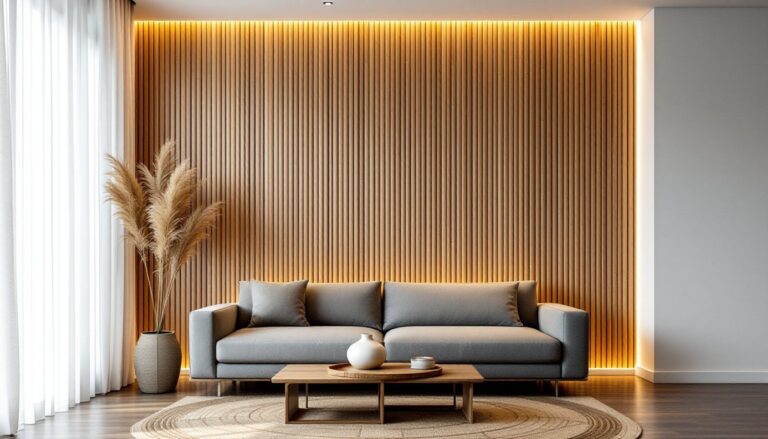
Wall treatments like board-and-batten, shiplap, or picture frame molding introduce subtle texture without pattern. Install these elements using a miter saw for clean corner joints and a brad nailer for fast, flush attachment. Prime and paint them the same color as the walls for a monochromatic, dimensional effect.
Curate Thoughtful Decorative Accents
Less is more. Choose a few high-impact pieces over a dozen small ones. A single large-scale artwork (36×48 inches or bigger) above the bed creates a focal point. Hang it so the center sits at eye level (roughly 57–60 inches from the floor), or align the bottom edge 6–8 inches above the headboard.
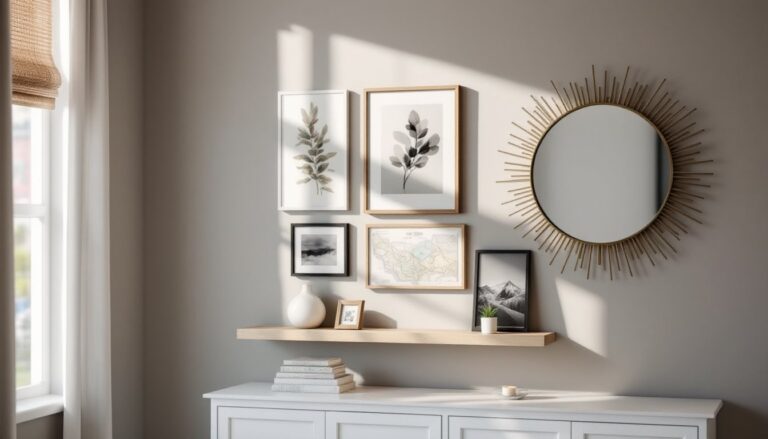
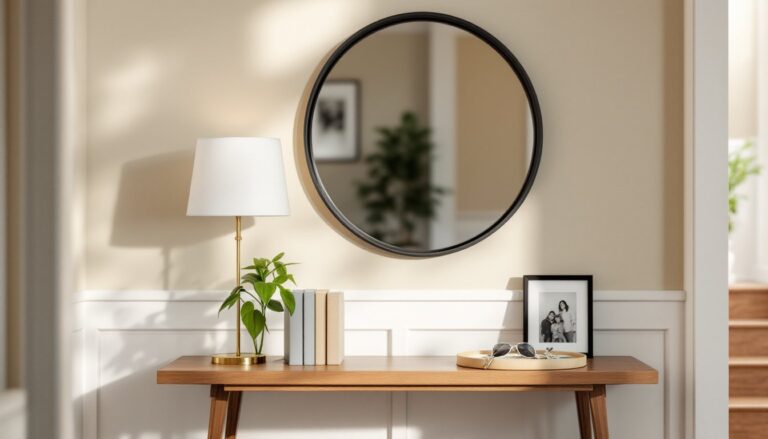
Mirrors amplify light and space. A full-length floor mirror (at least 48 inches tall) leans against a wall or mounts securely with French cleat hardware to prevent tipping. Position it opposite a window to bounce natural light, not directly facing the bed (which can feel unsettling).
Fresh or faux greenery softens hard edges. A potted fiddle-leaf fig or snake plant in a ceramic planter adds life without demanding intensive care. If natural light is limited, high-quality faux stems in a vase work fine, just dust them monthly.
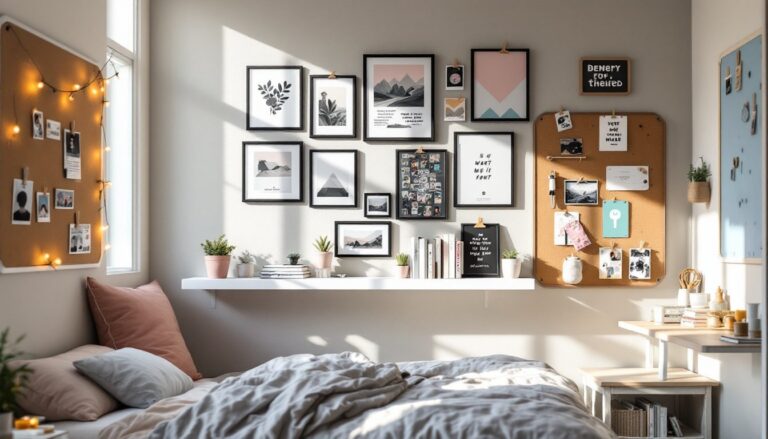
Group items in odd numbers (three candlesticks, five frames) on dressers or shelves. Vary heights and cluster them toward one side rather than centering everything. This asymmetry feels more organic and less staged. Inspiration from luxurious bedroom retreats often highlights carefully edited vignettes that balance function with visual appeal.
Conclusion
Elegant bedroom design isn’t about following a formula, it’s about making deliberate choices that fit your space, budget, and daily routine. Start with one or two high-impact upgrades (bedding, lighting, or paint), then build from there. Quality materials, proper scale, and thoughtful editing will always outlast fleeting trends.