
Table of Contents
ToggleIslamic wall decor brings a blend of faith, artistry, and timeless design into living spaces, without requiring a renovation budget or contractor. From intricate calligraphy to geometric patterns rooted in centuries-old tradition, these pieces add depth and character to any room. They work equally well in a modern loft, a suburban family room, or a dedicated prayer space. Unlike generic mass-market art, Islamic decor carries meaning and craftsmanship that homeowners notice every time they walk past. This guide covers the styles gaining traction, how to choose pieces that fit your space, and practical tips for hanging them securely.
Key Takeaways
- Islamic wall decor combines meaningful personalization with design versatility, working seamlessly in modern, minimalist, and traditional interiors while reflecting faith, heritage, or cultural appreciation.
- Popular types of Islamic wall art include Arabic calligraphy on canvas and metal, geometric patterns with symbolic meaning, and arabesque designs available as wall decals, carved panels, or tile-inspired art.
- Choose Islamic wall decor based on room function—bold statement pieces for living rooms, soft intimate pieces for bedrooms, respectful uncluttered designs for prayer rooms, and coordinate style compatibility with your existing design language.
- Proper installation requires finding studs with a stud finder, using appropriate anchors for your wall type and piece weight, marking hanging points with a level, and avoiding common mistakes like hanging too high or using wire on heavy pieces.
- Strategic placement on focal walls with proper lighting, grouping smaller pieces in gallery arrangements, and respecting content by avoiding bathrooms and low placements ensures maximum visual and spiritual impact.
Why Islamic Wall Decor Is Gaining Popularity in Modern Homes
More homeowners are moving away from cookie-cutter prints and leaning into decor that reflects heritage, belief, or cultural appreciation. Islamic wall art ticks all three boxes.
Meaningful personalization is a big driver. A verse from the Quran or the names of Allah rendered in Arabic calligraphy carries spiritual weight that generic abstract art can’t match. For Muslim families, it’s a daily reminder of faith. For others, it’s an appreciation of linguistic beauty and historical artistry.
Design versatility is another factor. Geometric patterns and arabesque motifs fit surprisingly well into minimalist, modern, and even Scandinavian interiors. The symmetry and repetition mirror design principles found in contemporary architecture and graphic design. Interior designers have caught on, luxury home decor trends increasingly feature global influences, including Islamic art.
Craftsmanship quality sets these pieces apart. Whether it’s hand-carved wooden panels, metal cutouts, or canvas prints with gold foil accents, the attention to detail often exceeds what you’d find in mass-produced wall art. Many pieces are still made using traditional methods, which translates to a level of finish that’s hard to replicate.
Popular Types of Islamic Wall Art and Decor
Islamic decor spans a wide range of materials and styles. Knowing the main categories helps narrow down what fits your space and skill level for installation.
Calligraphy Art and Quranic Verses
Arabic calligraphy is the cornerstone of Islamic visual art. Scripts like Thuluth, Naskh, and Diwani each have distinct letterforms, Thuluth is grand and angular, Naskh is clean and legible, Diwani is flowing and ornate.
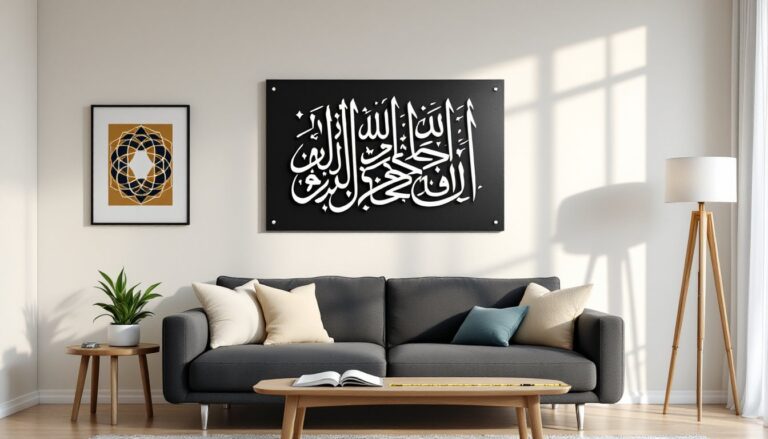
Common phrases include Bismillah (In the name of Allah), Alhamdulillah (Praise be to Allah), SubhanAllah (Glory be to Allah), and Ayat al-Kursi (Throne Verse from Surah 2:255). These are often rendered on canvas prints, metal panels, or acrylic cutouts.
Material options:
- Canvas: Lightweight, easy to hang with sawtooth hangers or D-rings. Typical sizes range from 16×20 inches to 40×60 inches.
- Metal: Aluminum or steel, powder-coated or brushed. Requires wall anchors if over 5 lbs. Some designs are laser-cut with layered depth.
- Wood: MDF or solid wood, often stained or painted. Heavier, use two heavy-duty picture hangers rated for the weight.
- Acrylic: Modern, glossy finish. Lightweight but can crack if dropped. Mount with standoffs for a floating effect.
Pro tip: If you’re hanging in a prayer room or near a place of worship, avoid placing Quranic verses in high-traffic areas where they might be disrespected or damaged.
Geometric Patterns and Arabesque Designs
Geometric patterns in Islamic art are based on circles, squares, and stars that repeat infinitely, symbolizing the infinite nature of creation. You’ll see six-point stars, eight-point stars, and interlocking hexagons.
Arabesque designs feature flowing vine-like patterns with leaves, flowers, and tendrils. They’re less angular than geometric patterns and often paired with calligraphy.
These designs come as:
- Wall decals: Vinyl stickers, repositionable or permanent. Easy DIY install, just squeegee out bubbles. Best on smooth, painted drywall.
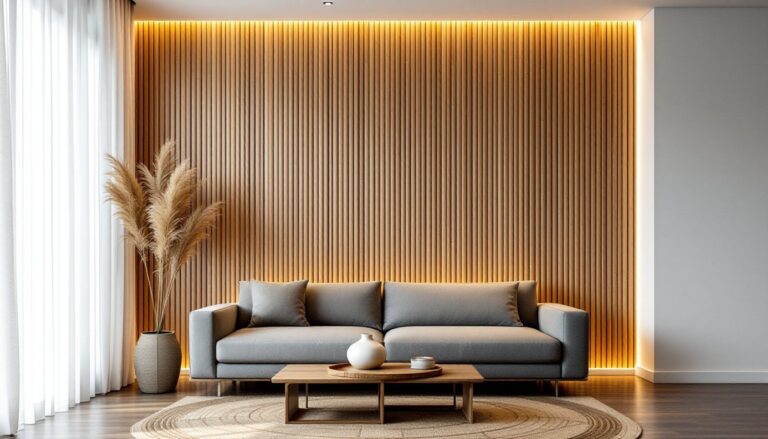
- Carved panels: Wood or MDF, often backlit with LED strips for ambient lighting. Require screws into studs or heavy-duty drywall anchors.
- Tile-inspired art: Mimics traditional Moroccan or Turkish zellige tiles. Can be actual ceramic tiles mounted on a board or printed canvas.
- Stencils for paint: If you’re handy with a brush, stenciling patterns lets you customize accent walls. Use low-tack painter’s tape and acrylic paint. Practice on cardboard first.
Choosing the Right Islamic Wall Decor for Your Space
Not every piece works in every room. Match the scale, style, and material to the room’s function and your home’s existing design language.
Room-by-room guidelines:
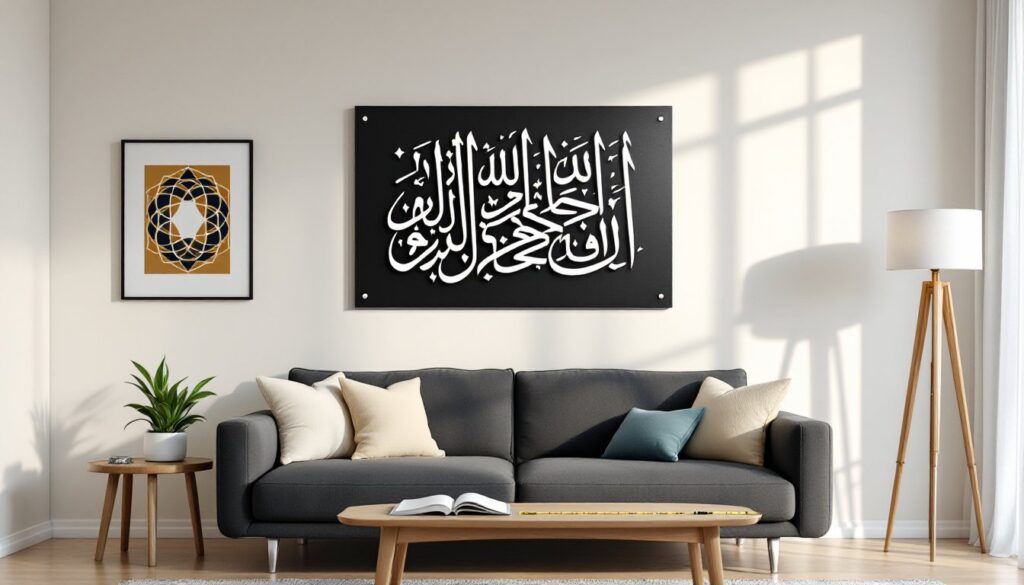
- Living room: Go bold. A large 40×60 inch canvas or a three-panel triptych makes a statement without overwhelming the space. Stick to neutral tones (black, gold, white, charcoal) if your walls are already busy.
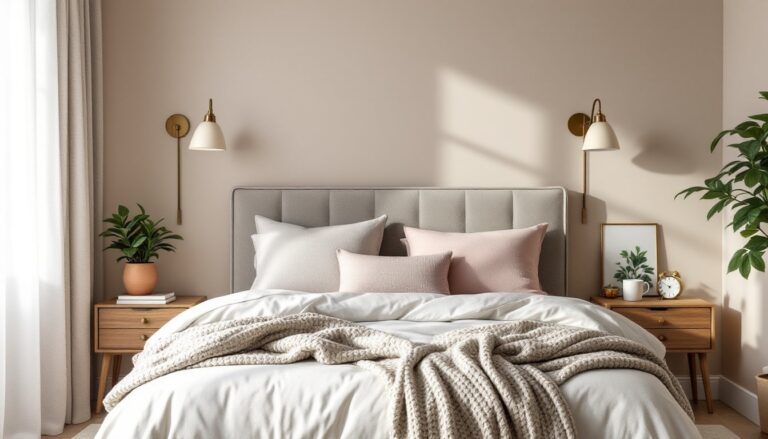
- Bedroom: Softer, intimate pieces work best. A single framed verse above the headboard or a small wooden plaque on the nightstand wall. Avoid heavy metals or glass in case of seismic activity or kids.
- Prayer room (Musalla): Keep it respectful and uncluttered. A Qibla direction indicator, a simple Bismillah piece, or a framed Ayat al-Kursi. Avoid placing Quranic text below waist height.
- Entryway: First impressions matter. A medium-sized metal or wood piece near the door sets the tone. Bismillah or Masha’Allah are popular choices.
- Dining room: Geometric patterns or arabesque designs in warmer tones (copper, bronze, deep teal) pair well with wood furniture.
Style compatibility:
- Modern/Minimalist: Clean lines, monochrome palettes. Opt for matte black metal calligraphy or simple line art.
- Traditional: Rich woods, ornate frames, gold leaf accents. Hand-carved panels or framed prints with beveled edges.
- Eclectic/Boho: Mix materials, combine a woven textile with a metal piece. Layering works here.
- Scandinavian: Light woods, white or gray backgrounds. Look for laser-cut birch plywood or pale prints.
Size and proportion: A common mistake is going too small. For a wall that’s 8 feet wide, aim for art that’s at least 4-5 feet wide total (whether one piece or a gallery arrangement). If you’re centering a single piece above a sofa, it should span roughly two-thirds the sofa’s width.
Color coordination: If your room has a dominant color, pick decor that either complements it or provides high contrast. Gold and navy, black and beige, teal and white are classic pairings. Avoid matching the wall color exactly, you want the art to stand out.
DIY Installation Tips for Islamic Wall Art
Hanging wall art sounds simple until you punch three unnecessary holes in the drywall. Here’s how to do it right.
Tools you’ll need:
- Tape measure and pencil
- Level (a 24-inch torpedo level works for most jobs: a 48-inch if you’re doing multi-panel layouts)
- Stud finder (for anything over 10 lbs or in high-traffic areas)
- Drill/driver with bits (if going into studs or using anchors)
- Hammer (for picture hooks)
- Wall anchors: plastic ribbed anchors for light loads (under 10 lbs), toggle bolts or screw-in anchors for 10-50 lbs, heavy-duty toggles for 50+ lbs
Step-by-step process:
- Find the center point. Measure the wall width, divide by two, mark lightly with pencil at your desired height (typically 57-60 inches to the center of the artwork, eye level for most people).
- Check for studs. Run the stud finder horizontally at your marked height. If you hit a stud, great, use a wood screw directly. If not, you’ll need an anchor.
- Mark the hanging points. Measure the distance between hanging hardware on the back of your art (D-rings, sawtooth, wire). Transfer those measurements to the wall. Use a level to ensure marks are even.
- Install anchors if needed. For drywall without a stud, drill a pilot hole slightly smaller than the anchor, tap the anchor in with a hammer until flush, then drive the screw.
- Hang the piece. Lift and hook. Have a second person check level from a few steps back, your eyes can deceive you up close.
- Adjust and secure. If using wire, make sure it’s taut. If using D-rings, ensure both hooks are fully engaged.
Material-specific tips:
- Canvas on stretcher bars: Lightweight. A single sawtooth hanger or two D-rings. Picture hooks rated for 5-10 lbs work.
- Metal panels: Heavier. Use two anchors minimum. If the piece has a floating mount (standoffs), ensure anchors are rated for the weight.
- Wood panels: If over 20 lbs, screw directly into studs or use heavy-duty toggles. French cleats are ideal for large, heavy pieces, they distribute weight evenly and allow easy leveling.
- Acrylic with standoffs: Drill through the acrylic mounting holes, use decorative screws and anchors. Standoffs create a shadow gap that makes the piece pop.
Safety note: Wear safety glasses when drilling overhead. Drywall dust is irritating, a dust mask helps if you’re installing multiple pieces.
Common mistakes to avoid:
- Hanging too high. Art should relate to furniture and sightlines, not the ceiling.
- Using wire on heavy pieces. D-rings or cleats are more stable.
- Skipping the level. Even a 1-degree tilt is noticeable.
- Over-tightening screws in drywall anchors. You’ll strip the anchor.
Where to Place Islamic Wall Decor for Maximum Impact
Placement is as important as the piece itself. Strategic positioning enhances both the art and the room.
Focal walls: Identify the wall you see first when entering a room. That’s your focal wall, behind the sofa, opposite the entryway, or the wall your bed backs onto. Reserve your largest or most striking piece for this spot.
Lighting matters: Natural light can fade prints over time. If your wall gets direct sun, use UV-protective glass or choose metal/wood. For evening ambiance, interior lighting design techniques like picture lights or track lighting can highlight calligraphy details. Warm white LEDs (2700-3000K) suit gold and wood tones: cool white (4000K+) works with black and silver.
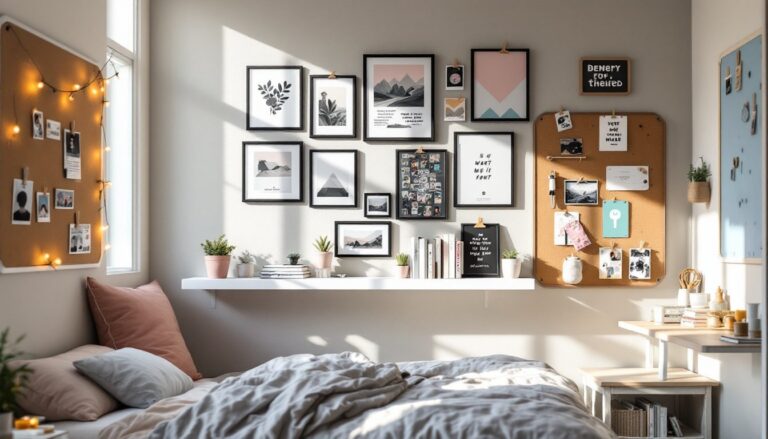
Grouping and gallery walls: If you have multiple smaller pieces, arrange them before hanging. Lay them on the floor to test spacing, 2-3 inches between frames is standard. Start with the largest piece at eye level, then build around it. Use paper templates taped to the wall to visualize placement.
Respect the content: In Islamic tradition, Quranic verses and names of Allah should be placed in clean, respectful locations. Avoid bathrooms, laundry rooms, or anywhere the text could be defaced or stepped over. If you’re placing art above furniture, ensure the surface beneath stays tidy.
Architectural features: Frame a piece within a niche, archway, or between two windows. Use wainscoting or chair rails as visual boundaries, hang art above the rail, never straddling it.
Balance and symmetry: Islamic art itself is rooted in symmetry. Mirror that in your layout. Flank a doorway with matching panels, or center a single piece on a wall with equal space on both sides. Use your tape measure, eyeballing rarely works.
Final check: Step back 10 feet and assess. Does the piece feel anchored to the space, or does it float awkwardly? If it looks off, it probably is. Small adjustments, raising it an inch, shifting left, make a difference.
Islamic wall decor offers a rare combination: spiritual resonance, historical depth, and visual impact. Whether you’re drawn to the flowing lines of calligraphy or the mathematical precision of geometric patterns, there’s a piece that fits your home and skill level. Measure twice, drill once, and let the art speak.