

Table of Contents
ToggleCrochet wall decor has carved out a solid niche in modern home design, and for good reason. It brings texture, warmth, and a handmade quality that flat art or vinyl decals can’t replicate. Whether someone’s upgrading a rental with non-permanent solutions or adding character to a freshly painted accent wall, fiber art offers flexibility and visual interest without the commitment of wallpaper or the hassle of hanging heavy frames. Unlike mass-produced prints, crochet pieces carry visible craftsmanship, the kind of detail that invites a second look and sparks conversation.
Key Takeaways
- Crochet wall decor adds texture, warmth, and handmade craftsmanship to modern homes while remaining lightweight, renter-friendly, and easier to install than heavy framed art.
- Popular crochet wall hangings include macramé-inspired pieces with fringe, circular mandalas, and doily clusters—each offering distinct aesthetic options for different room styles.
- Proper sizing matters: wall art should occupy two-thirds to three-quarters the width of furniture below it, and using painter’s tape to mock up dimensions prevents costly mistakes.
- Beginners can start with simple rectangular panels or small mandalas using 200–400 yards of worsted-weight cotton yarn and basic crochet hooks, with projects typically taking 8–15 hours to complete.
- Strategic placement at eye level (57–60 inches from the floor), layering with other decor, and using directional lighting enhance the texture and visual impact of crochet wall pieces.
- Quality cotton yarn resists fading better than paper prints and can be gently vacuumed or hand-washed, making crochet wall decor both durable and practical for high-traffic areas.
Why Crochet Wall Decor Is Perfect for Modern Homes
Modern interiors lean heavily on clean lines and neutral palettes, which can sometimes feel cold or sterile. Crochet wall hangings inject softness and dimension without cluttering the space. The looped stitches catch light differently throughout the day, creating subtle shadows and depth that shift as natural light moves across the room.
From a practical standpoint, fiber art is lightweight and forgiving. Most pieces weigh less than a pound and can be hung with a simple finishing nail or adhesive hook, making them ideal for renters or anyone hesitant to put larger holes in drywall. Unlike framed art, crochet doesn’t require precise leveling, slight asymmetry actually enhances the handmade aesthetic.
The material palette also fits seamlessly into contemporary design trends. Cotton and wool yarns in cream, beige, charcoal, and blush tones complement everything from Scandinavian minimalism to mid-century modern. For those seeking contrast, deep indigo or terracotta dyed yarns add a pop of color without overwhelming the room.
Durability is another advantage. Quality cotton yarn resists fading better than paper prints, and most crochet pieces can be gently vacuumed with a brush attachment or hand-washed if needed. This makes them practical for high-traffic areas like living rooms and entryways, where other decor might show wear more quickly.
Popular Types of Crochet Wall Hangings for Every Style
Macramé-Inspired Crochet Wall Art
Though technically different techniques, macramé and crochet often share aesthetic ground. Crochet versions of macramé-style hangings use single crochet and half-double crochet stitches to build vertical panels with fringe, tassels, or cascading geometric shapes. These work well in boho-leaning spaces or as a textural counterpoint in otherwise minimalist rooms.
The construction typically involves a wooden dowel or copper pipe as the mounting rod, with yarn worked directly onto it. Lengths vary, small pieces run 12 to 18 inches wide, while statement hangings can span 36 inches or more. For homes with vaulted ceilings or large blank walls, an oversized piece with tiered fringe creates vertical interest without competing with furniture.
Instructables offers hundreds of DIY crochet patterns that walk through stitch counts and assembly, many of which translate well to wall hanging projects with minor adjustments.
Mandala and Doily Wall Pieces
Mandalas bring radial symmetry and intricate detail to wall decor. These circular designs layer rounds of stitches, often combining treble crochet, double crochet, and chain spaces, to form lace-like medallions. Once blocked and stiffened with fabric stiffener or diluted white glue, they hold their shape beautifully when mounted in embroidery hoops or stretched over wooden frames.
Doilies follow similar construction but lean into vintage or farmhouse aesthetics. A cluster of three to five doilies in graduated sizes, mounted at varying heights, creates a gallery wall effect. Pairing white or ecru doilies against a dark wall amplifies the contrast and showcases the stitch patterns.
These pieces require patience, mandalas with 15 to 20 rounds can take 8 to 12 hours to complete, but the payoff is a one-of-a-kind focal point. For those interested in traditional macramé and crochet wall hanging designs, the technique overlaps significantly with doily construction.
How to Choose the Right Crochet Wall Decor for Your Room
Start by measuring the wall space. A piece that’s too small gets lost: one that’s too large overwhelms. As a general rule, wall art should occupy roughly two-thirds to three-quarters the width of the furniture below it. For a 72-inch sofa, aim for a hanging between 48 and 54 inches wide. If the space is empty wall, use painter’s tape to mock up the dimensions before committing.
Color matching matters, but don’t default to exact matches. A crochet piece in a slightly lighter or deeper shade than existing textiles adds layering without looking forced. Neutrals like oatmeal, taupe, and soft gray work in most spaces, while jewel tones (emerald, sapphire, rust) pop against white or light gray walls.
Texture density also plays a role. Open, lacy designs suit airy spaces with lots of natural light, bedrooms, sunrooms, or reading nooks. Denser, chunkier stitches hold their own in larger rooms with competing visual elements, like living rooms with patterned rugs or upholstered furniture.
Consider the room’s function. High-humidity areas like bathrooms may cause natural fibers to absorb moisture and sag over time. In those cases, acrylic or cotton-acrylic blends perform better than 100% wool. For nurseries or kids’ rooms, choose pieces without long fringe or dangling elements that curious hands might pull.
DIY Crochet Wall Decor: Getting Started with Your Own Project
Making crochet wall decor doesn’t require advanced skills, but it does demand patience and basic stitch knowledge. Beginners should start with simple rectangular panels or small mandalas before attempting multi-tiered designs.
Materials needed:
- Yarn: 200 to 400 yards of worsted-weight cotton or cotton blend for a medium-sized hanging (18 x 24 inches). Cotton holds shape better than acrylic and blocks more cleanly.
- Hook size: A 5.0mm (H-8) or 5.5mm (I-9) hook works for most worsted-weight yarns. Check the yarn label for manufacturer recommendations.
- Mounting rod: A ½-inch or ¾-inch wooden dowel cut to the desired width, or a copper pipe for an industrial look. Hardware stores will cut dowels to length.
- Finishing supplies: Fabric stiffener or a 50/50 mix of white glue and water for blocking doilies: T-pins or blocking mats for shaping: scissors and a tapestry needle for weaving in ends.
Basic steps:
- Choose a pattern. The Spruce Crafts provides beginner-friendly crochet tutorials with stitch diagrams and row-by-row instructions.
- Make a gauge swatch. Crochet a 4 x 4-inch square to confirm hook size and tension. Adjust if needed.
- Work the piece. Follow the pattern, checking measurements every few rows. Fiber art is forgiving, but wild size variations are hard to correct later.
- Block the finished piece. Pin it to a flat surface (foam board or blocking mat), mist with water, and let dry for 24 hours. This evens out stitches and sets the shape.
- Attach to the dowel. Weave the dowel through the top row of stitches or tie the piece on with evenly spaced knots.
First-timers should budget 8 to 15 hours for a medium-sized project, depending on stitch complexity. Don’t rush blocking, it’s the step that separates amateur work from polished decor.
Styling Tips: Where and How to Display Crochet Wall Art
Placement depends on sightlines and existing decor. Crochet pieces work best at eye level or slightly above, typically 57 to 60 inches from the floor to the center of the piece. In rooms with high ceilings, hang slightly higher to maintain proportion.
Layering creates depth. Try positioning a crochet hanging over a painted accent wall or alongside floating shelves with small plants or books. Avoid hanging fiber art directly above heat sources like radiators or fireplaces, as prolonged heat exposure can yellow natural fibers.
For renters or anyone avoiding wall damage, adhesive hooks rated for 3 to 5 pounds handle most crochet pieces without issue. Command strips work on smooth, painted drywall but may struggle on textured surfaces. Test in an inconspicuous spot first.
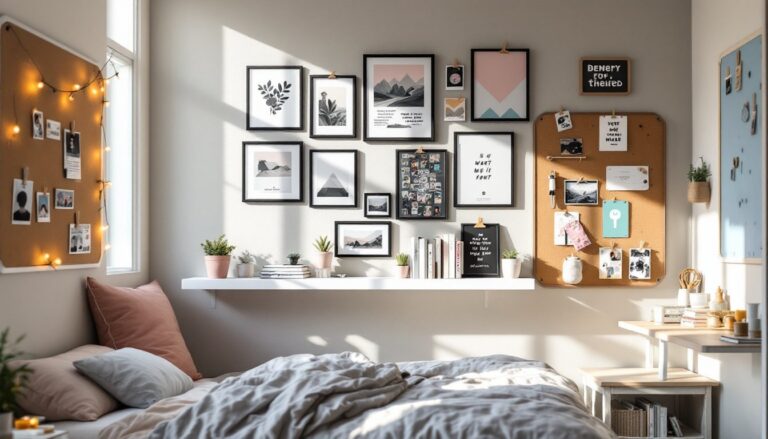
Gallery walls benefit from mixing media. Pair a large crochet mandala with smaller framed prints or wooden shelves for varied texture and scale. Odd numbers (three or five pieces) tend to feel more balanced than even groupings.
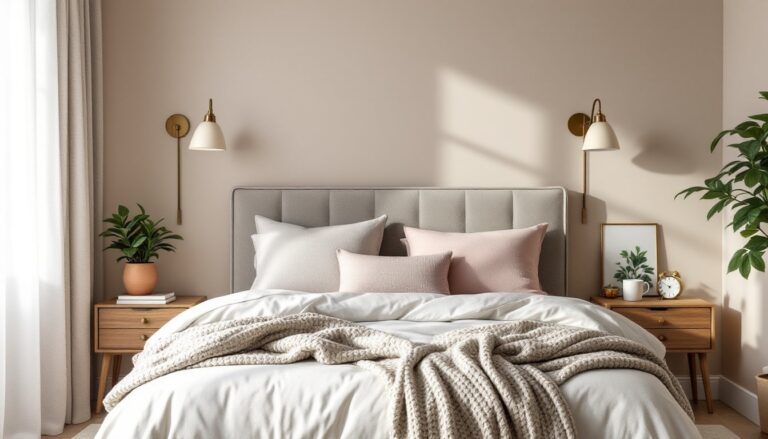
In bedrooms, crochet hangings work well above the headboard as a soft alternative to hard-edged art. Choose a piece with muted tones to support a calm atmosphere. Living rooms can handle bolder designs, think oversized hangings with contrasting fringe or multi-colored mandalas that echo the room’s accent colors.
Lighting matters. Directional spotlights or picture lights emphasize the texture and cast interesting shadows. Natural light works too, but avoid prolonged direct sunlight, which can fade dyed yarns over time.
Finally, consider rotation. Swapping out seasonal pieces, cream and white for winter, brighter hues for spring, keeps the space feeling fresh without major overhauls. Crochet art is easy to store flat in bins or rolled gently around a dowel, making it more flexible than framed art or mounted shelving.