


Table of Contents
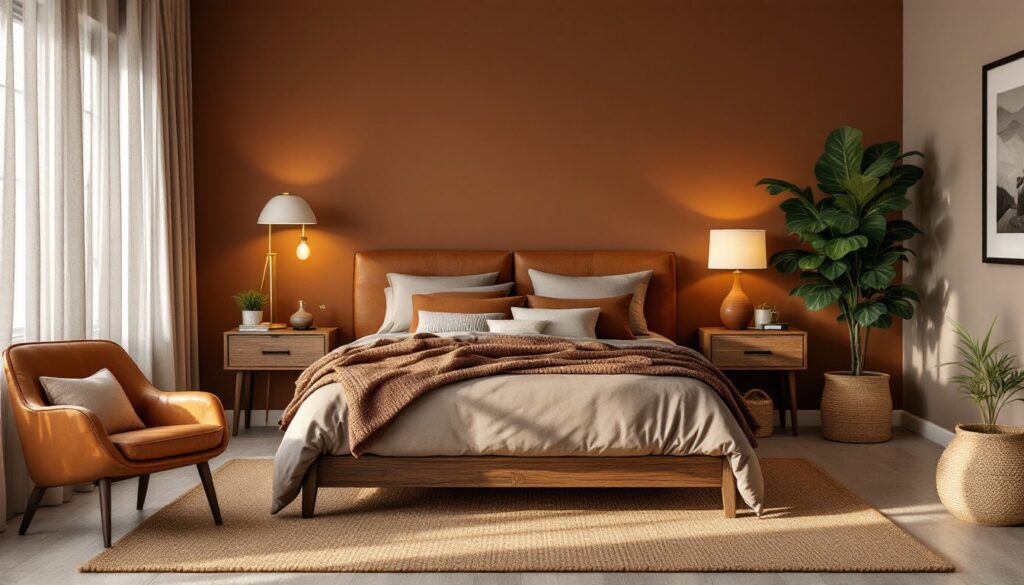
ToggleBrown isn’t boring, it’s grounding. When done right, a brown bedroom wraps you in warmth the second you walk in. Think rich chocolate accent walls, caramel-toned linens, and wood furniture that actually looks lived-in. This isn’t about beige mediocrity or hotel-room blandness. It’s about creating a space that feels intentional, layered, and genuinely restful. Whether someone’s repainting a single wall or overhauling the whole room, brown offers flexibility that louder colors can’t match. It pairs with nearly everything, hides wear better than whites, and works in both modern and traditional settings.
Key Takeaways
- Cozy brown bedroom decor creates a grounding, warm space by mimicking natural materials like wood, soil, and leather that the human eye reads as stable and safe.
- Choose your brown color palette carefully—test paint samples on walls with different light exposure, as taupe works best in low-light rooms while darker espresso tones require good lighting and higher ceilings.
- Layer textures and multiple furniture pieces in matching wood tones to add depth and warmth, combining materials like linen, velvet, and leather rather than keeping everything flat and monochromatic.
- Use warm-toned LED bulbs (2700K–3000K) and layer lighting at multiple heights with dimmers, as brown absorbs light and requires deliberate ambient and task lighting to avoid shadows.
- Pair brown with neutral or warm accent colors like cream, burnt orange, deep greens, or brass metallics—avoid cool-toned silver or chrome that clash with brown’s inherent warmth.
- Invest in quality materials like solid wood furniture, natural fabric bedding, and real leather accents that age gracefully, as cheap synthetics and printed finishes undermine the intentional, cozy aesthetic.
Why Brown Is the Perfect Color for a Cozy Bedroom
Brown tones mimic natural materials, soil, wood, leather, stone. The human eye reads them as stable and safe, which is exactly what a bedroom should feel like. Unlike cooler colors that can feel clinical or stark, brown has inherent warmth. It doesn’t reflect light harshly, so even a small bedroom won’t feel cold or sterile.
From a practical standpoint, brown hides imperfections. Scuffs on painted trim, minor wall dings, and everyday wear disappear into deeper tones. That’s a real advantage in high-use spaces. Light beiges and taupes show every fingerprint: charcoal browns don’t.
Brown also plays well with natural light cycles. In morning sun, warm browns glow. In evening lamplight, they deepen without turning muddy. That consistency matters when someone’s trying to wind down at night or wake up gently in the morning. The color doesn’t fight the room’s function, it supports it.
Choosing Your Brown Color Palette
Not all browns are created equal. A taupe with gray undertones reads cooler and more modern. A chocolate with red undertones feels traditional and rich. Before buying paint, grab sample pots and test them on at least two walls, one that gets direct light and one that doesn’t. Browns shift dramatically depending on exposure.
Lighter browns (taupe, tan, greige) work best as base wall colors in rooms with limited natural light. They open up space without sacrificing warmth. Pair them with darker brown furniture or bedding to create contrast. A gallon of quality interior latex covers roughly 350–400 square feet with one coat, though deeper tones often need two coats for even coverage.
Mid-tone browns (caramel, chestnut, mocha) are versatile anchors. They’re deep enough to feel enveloping but light enough to avoid shrinking a room visually. These work well as accent walls behind a bed or across a full room if ceilings are at least 8 feet high.
Dark browns (espresso, walnut, chocolate) demand good lighting and higher ceilings. They’re dramatic, but they also absorb light. Use them on one or two walls max, and balance with lighter textiles and reflective surfaces. For trim and molding, consider keeping it white or cream, the contrast sharpens the whole palette.
Avoid mixing warm and cool browns in the same room. Stick to one undertone family (red-based or gray-based) to keep the palette cohesive.
Essential Furniture and Textiles for a Cozy Brown Bedroom
Start with the bed frame. Solid wood in walnut, oak, or cherry brings authenticity that laminate can’t replicate. If budget’s tight, look for engineered wood with a real veneer, it holds up better than printed finishes and still gives that natural grain.
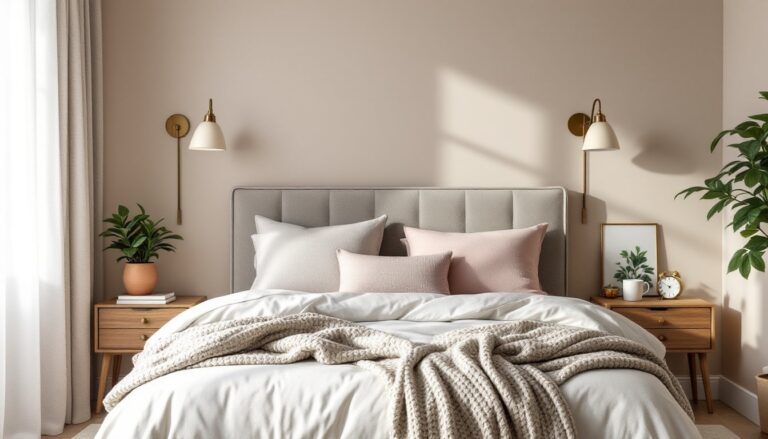
For bedding, layer different shades of brown to avoid a flat look. A chocolate duvet over taupe sheets, topped with a caramel throw, creates depth. Natural fabrics, cotton, linen, wool, breathe better than synthetics and age more gracefully. Linen, especially, softens with every wash and has a lived-in texture that suits brown palettes.
Upholstered headboards in brown leather or velvet add a tactile anchor. Leather develops patina over time, which plays into the cozy, worn-in vibe. Velvet catches light and adds subtle luxury without tipping into fussy territory. Both are durable enough for daily use.
Nightstands and dressers in matching wood tones unify the space. Mismatched woods can work if they share the same undertone, but it takes a careful eye. When in doubt, match the wood species or finish.
Rugs are non-negotiable. A jute or wool area rug in a brown or neutral tone grounds the furniture and softens footsteps. Aim for a rug that extends at least 18–24 inches beyond each side of the bed. That ensures feet land on something soft when getting up, not cold floor.
Layering Textures to Enhance Warmth and Comfort
Texture is what separates a cozy brown bedroom from a dull one. Flat, monochrome brown reads as dated: layered textures read as intentional. The goal is to create visual and tactile interest without cluttering.
Start with the bed. Combine a waffle-weave blanket, a chunky knit throw, and smooth cotton sheets. Each material catches light differently, and the variation tricks the eye into seeing more depth. Add a few textured throw pillows in linen or boucle, mix square and lumbar shapes for variety.
Wood finishes matter too. A rough-sawn headboard paired with a smooth nightstand creates contrast. If everything’s high-gloss or everything’s matte, the room flattens. Mix sheen levels to keep things dynamic.
Curtains in linen or heavyweight cotton add softness to windows without blocking light completely. Blackout liners can be added behind if full darkness is needed for sleep. Hang curtain rods close to the ceiling and let panels puddle slightly on the floor, it elongates walls and feels more custom.
Leather accents, a bench at the foot of the bed, a chair in the corner, add richness. Real leather smells right and ages well. Faux leather can work, but it doesn’t patina the same way.
Don’t overlook smaller textural details. Woven baskets for storage, a ceramic lamp base, or a wool throw on a chair all contribute. The key is variety: rough next to smooth, matte next to glossy, natural next to polished.
Lighting Ideas to Complement Brown Tones
Brown absorbs light, so ambient lighting needs to be deliberate. A single overhead fixture won’t cut it. Layer lighting at multiple heights to avoid shadows and dead zones.
Start with warm-toned LED bulbs (2700K–3000K). Cool white or daylight bulbs wash out browns and make them look muddy. Warm light enhances the richness of wood and textiles. Aim for roughly 50 lumens per square foot in a bedroom for comfortable ambient lighting.
Table lamps on nightstands provide task lighting for reading and add symmetry. Choose bases in ceramic, wood, or brass, they hold visual weight against brown backgrounds. Fabric or linen shades diffuse light softly.
A floor lamp in a corner brings height and fills vertical space. Arc lamps work well over a reading chair, and tripod lamps add a modern edge without feeling cold.
Consider dimmer switches on overhead fixtures. They’re inexpensive to install (under $20 for most models, plus labor if hiring an electrician) and let someone adjust lighting based on time of day. Bright light for morning routines, dim light for winding down.
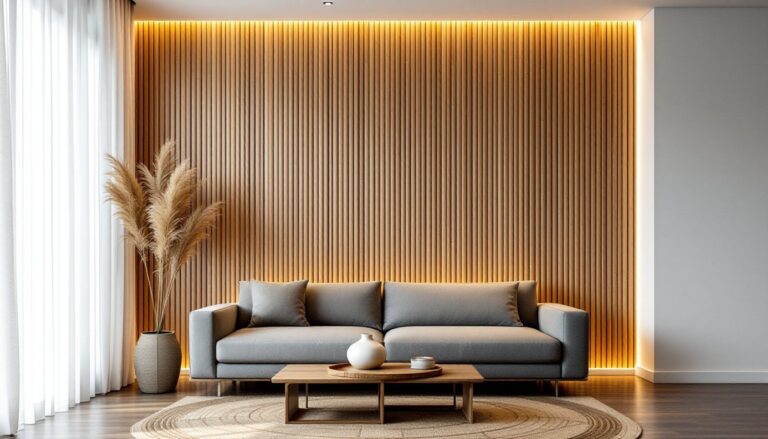
Accent lighting like LED strip lights behind a headboard or under floating shelves adds subtle glow without harsh sources. Keep them on a separate switch so they can be used independently.
Candles count too. Real candles in ceramic or wooden holders add warmth and a touch of movement. Battery-operated LED candles work if open flames are a concern, though they lack the same ambiance.
Accent Colors and Decor Pieces That Pair Beautifully With Brown
Brown is neutral enough to support a wide range of accent colors, but not all pairings hit the same. Certain combinations amplify coziness: others feel forced.
Cream and off-white are safe, classic choices. They lighten brown palettes without clashing, and they’re forgiving in different lighting. Use them in bedding, curtains, or painted trim.
Burnt orange and terracotta bring warmth and a bit of earthiness. These tones echo clay and desert landscapes, which naturally pair with brown interior ideas. A terracotta throw pillow or small ceramic vase adds just enough color without overwhelming.
Deep greens, forest, olive, sage, create a grounded, organic feel. They’re particularly effective when brought in through live plants or textiles. A large potted fiddle leaf fig or snake plant adds life and breaks up the monochrome.
Navy blue offers contrast without shouting. It’s darker than brown but cooler, which creates balance. A navy accent chair or patterned throw introduces depth.
Metallics in brass, bronze, or copper enhance brown’s warmth. Avoid silver or chrome, they read too cold. Brass drawer pulls, a bronze mirror frame, or copper pendant lights tie into brown’s inherent richness.
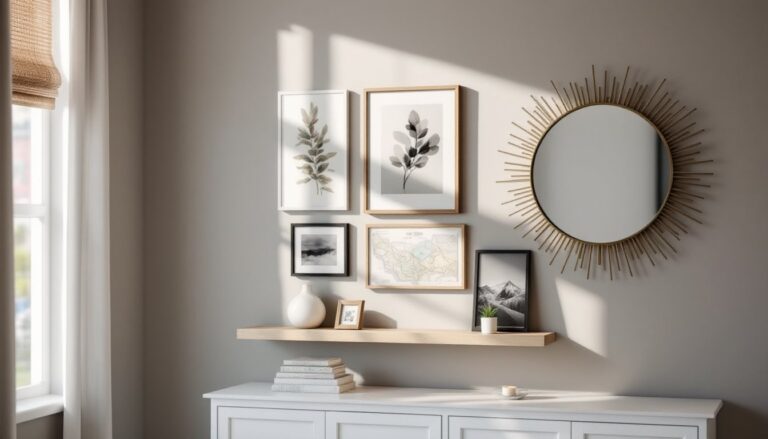
For decor pieces, stick to natural materials. Ceramic vases, woven wall hangings, wooden picture frames, and stone sculptures all complement brown. Avoid plastic or overly shiny finishes, they cheapen the palette.
Artwork in warm tones or black-and-white photography works well. Avoid neon or high-contrast graphics unless someone’s intentionally going for an eclectic look. Keep frames simple: ornate gilt frames compete with the brown rather than complementing it.
Conclusion
A cozy brown bedroom doesn’t happen by accident, it’s built through intentional choices in color, texture, and lighting. Brown offers warmth and flexibility that louder colors can’t deliver, and it pairs with nearly any accent someone wants to introduce. The key is layering: mix shades, vary textures, and light the space thoughtfully. Skip the shortcuts on prep and material quality, cheap paint or synthetic textiles undermine the whole effort. Done right, a brown bedroom becomes the kind of space that’s hard to leave in the morning.