


Table of Contents
ToggleA bedroom packed with furniture, tchotchkes, and clutter isn’t just visually overwhelming, it can actually mess with your sleep quality and mental clarity. Minimalist bedroom decor strips away the excess and focuses on what truly matters: rest, calm, and function. This isn’t about living in a cold, empty box. It’s about creating a purposeful space where every item earns its place. Whether you’re renovating on a budget or just tired of tripping over stuff in the dark, these practical strategies will help transform your bedroom into a serene retreat without requiring a design degree or deep pockets.
Key Takeaways
- Minimalist bedroom decor reduces visual clutter and cortisol levels, leading to better sleep quality and mental clarity by keeping only items that serve a purpose or bring genuine joy.
- Choose a calming neutral color palette with whites, soft grays, and beiges, then add one or two accent pieces sparingly to ground the room without overwhelming it.
- Select only essential furniture pieces—a simple bed frame, one or two nightstands, and minimal storage—keeping everything proportional to your room size for a truly serene space.
- Implement hidden storage solutions like closet organizers, under-bed bins, and nightstand drawers to ensure clutter stays out of sight and maintains the minimalist aesthetic.
- Add texture through natural textiles like linen, wool, and jute rugs, plus one or two plants, without introducing visual clutter or busy patterns.
- Layer your lighting with warm ambient fixtures, task lighting from wall sconces, and natural light filtered through sheer curtains to create a functional, relaxing environment.
What Is Minimalist Bedroom Decor?
Minimalist bedroom decor prioritizes simplicity, clean lines, and intentional design choices. It’s rooted in the “less is more” philosophy, eliminating visual noise so the room feels open, calm, and functional.
At its core, minimalism means keeping only what serves a purpose or brings genuine joy. That doesn’t mean stark white walls and zero personality. A well-executed minimalist bedroom includes carefully chosen furniture, a cohesive color scheme, thoughtful storage, and a few meaningful pieces rather than surfaces crowded with decorative objects.
This approach works especially well in bedrooms because it reduces distractions and creates a more restful environment. Studies have shown that cluttered spaces can increase cortisol levels and interfere with sleep. By contrast, a simplified room promotes relaxation and mental clarity.
Minimalism also makes maintenance easier. Fewer items mean less dusting, organizing, and decision fatigue when getting dressed or winding down for the night. It’s a practical style that pays dividends daily, not just aesthetically but functionally.
Choose a Calming Color Palette
Color sets the tone for the entire room, and minimalist bedrooms lean heavily on neutral, muted palettes. Think whites, soft grays, beiges, taupes, and warm off-whites. These shades create a cohesive backdrop that makes the space feel larger and more serene.
Start with the walls. A flat or matte finish paint in a neutral tone reduces glare and creates a soft, even surface. Eggshell finishes work too if you need something more washable, especially in homes with kids or pets. Most quality paints cover around 350–400 square feet per gallon, so measure your room before buying.
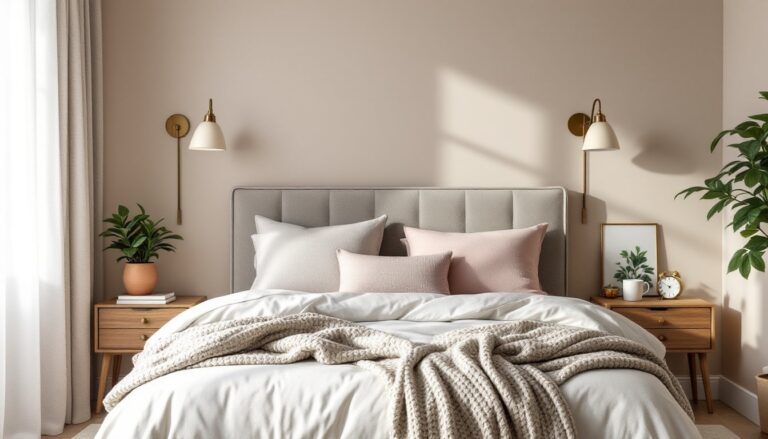
For bedding and textiles, stick to two or three complementary tones within the same color family. An all-white bed can feel crisp and hotel-like, but layering in linen or cotton in soft gray or sand tones adds warmth without visual clutter. Avoid busy patterns, solid colors or subtle textures keep the look clean.
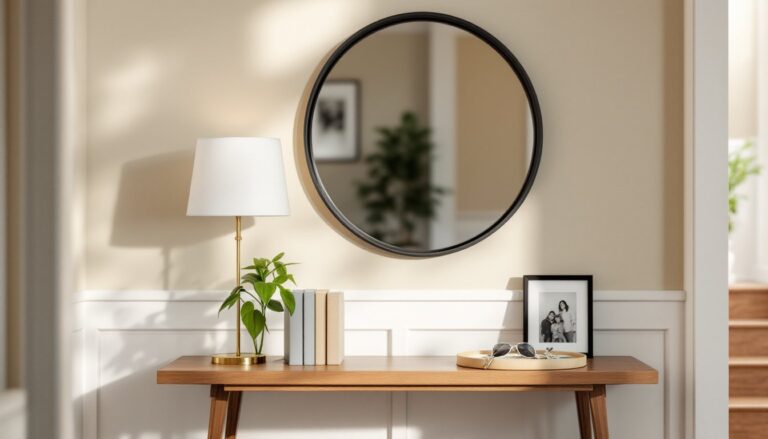
If you want a touch of contrast, introduce one accent color sparingly. A deep charcoal throw pillow, a single piece of modern design inspiration in muted terracotta, or a black-framed mirror can ground the room without overwhelming it. The key is restraint. One or two accent pieces per room is plenty.
Consider natural wood tones as part of your palette. Light oak, walnut, or birch furniture brings warmth and texture while staying visually quiet. These materials age well and pair beautifully with neutral walls and linens.
Select Essential Furniture Pieces Only
Minimalist bedrooms don’t need much furniture, just the essentials, and each piece should serve a clear function. Start with the bed, a nightstand or two, and storage. That’s often enough.
The bed is the focal point. Choose a simple frame, platform beds work well because they sit low and have clean lines. Skip ornate headboards unless they’re truly functional (like upholstered ones that double as a backrest for reading). A solid wood or metal frame in a neutral finish keeps the focus on simplicity.
For nightstands, one on each side is standard, but if space is tight, one is fine. Look for pieces with a single drawer or shelf for storing essentials like a phone charger, book, or glass of water. Floating wall-mounted nightstands are a smart choice in smaller rooms, they free up floor space and make cleaning easier.
Avoid adding a dresser if your closet has adequate storage. If you do need one, choose a low-profile design with straight lines and minimal hardware. A six-drawer dresser in natural wood or painted white keeps the room uncluttered.
Skip unnecessary seating unless you actually use it. That decorative chair in the corner often becomes a clothes pile. If you read or put on shoes in your room, a simple bench at the foot of the bed serves double duty as seating and a place to fold laundry.
Keep furniture proportional to the room size. In a 10′ x 12′ bedroom, a queen bed, two small nightstands, and a narrow dresser are plenty. Cramming in more just shrinks the visual space and defeats the purpose of minimalism.
Declutter and Maximize Storage
A minimalist bedroom only works if clutter stays out of sight. That means ruthless decluttering followed by smart, hidden storage solutions.
Start by removing everything that doesn’t belong in a bedroom: paperwork, exercise equipment, hobby supplies, laundry piles. Be honest about what you actually use. If you haven’t worn something in a year, donate or sell it.
Next, evaluate your closet storage. Install a closet organizer system with adjustable shelving, double-hang rods, and drawer inserts. These systems maximize vertical space and keep clothing visible and accessible. Many home improvement stores sell modular kits that install with basic tools, no need to hire a contractor.
For under-bed storage, use low-profile bins or drawers. Measure the clearance first: most platform beds offer 8–12 inches of space underneath. Clear bins make it easy to see what’s inside, but fabric bins in neutral tones look cleaner if they’re visible.
Nightstand drawers should hold only what you use nightly, chargers, a book, earplugs, lotion. Corral small items in drawer dividers to prevent junk accumulation.
If you lack closet space, consider a freestanding wardrobe in a simple design. Open clothing racks can work too, but only if you keep them tidy and color-coordinated. Exposed storage demands more discipline.
Minimalism isn’t about owning nothing, it’s about owning the right things and keeping them organized. A place for everything, and everything in its place. That’s the mantra.
Add Texture Without Adding Clutter
A common mistake in minimalist design is making the room feel cold or sterile. Texture solves that problem without adding visual clutter.
Textiles are the easiest way to layer texture. Use linen or cotton sheets, a chunky knit throw, a wool or jute rug, and a few pillows in varied fabrics, not patterns, just textures. A linen duvet in white or oatmeal paired with a waffle-weave blanket and a soft cotton throw creates depth without busyness.
Rugs ground the space and add warmth underfoot. A natural fiber rug, jute, sisal, or seagrass, works well in minimalist bedrooms. These materials are durable, neutral, and add organic texture. Place a 5′ x 8′ or 8′ x 10′ rug under the bed so it extends at least 18 inches on each side. This frames the bed and defines the sleeping zone.
Wood furniture brings in natural texture too. A solid oak bed frame or walnut nightstand adds warmth and visual interest without pattern or color. If you’re working with painted or metal furniture, consider adding a wood stool or bench as an accent.
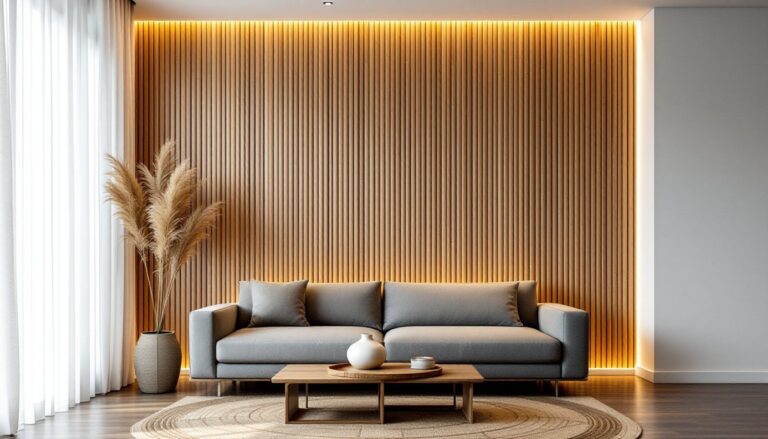
Wall texture can also play a role. Shiplap, board-and-batten, or even a textured plaster finish on one accent wall adds dimension. Just keep it subtle, minimalist bedroom ideas often feature one textured element rather than multiple competing surfaces.
Plants add life and texture. A single potted fiddle leaf fig, snake plant, or monstera in a simple ceramic planter brings greenery without clutter. Stick to one or two plants max, this isn’t a greenhouse.
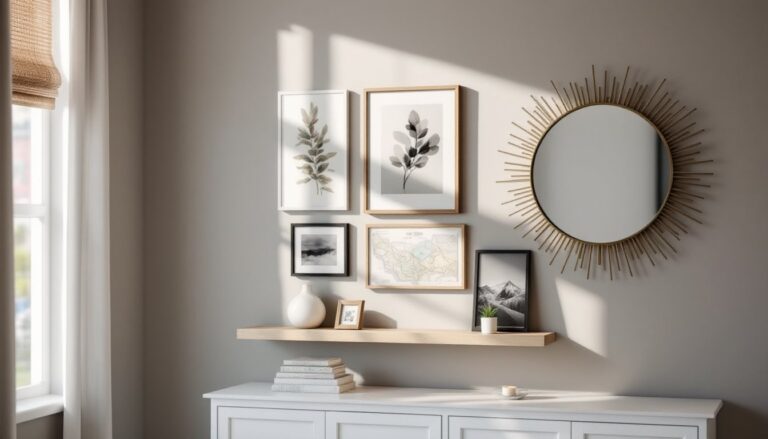
Avoid decorative objects on every surface. One sculptural vase, a small stack of books, or a single framed print is enough. Let negative space do the heavy lifting.
Incorporate Intentional Lighting
Lighting in a minimalist bedroom should be functional, adjustable, and unobtrusive. Overhead lighting alone won’t cut it, you need layers.
Start with ambient lighting. A flush-mount or semi-flush ceiling fixture in a simple design provides overall illumination. Choose a fixture with a dimmer switch so you can adjust brightness for different times of day. LED bulbs in the 2700K–3000K range (warm white) create a cozy, relaxing atmosphere. Avoid cool white or daylight bulbs in bedrooms, they’re too harsh.
Task lighting is essential for reading or getting dressed. Wall-mounted sconces flanking the bed are a clean, space-saving alternative to table lamps. Position them 18–24 inches above the mattress and about 12 inches out from the edge of the nightstand for optimal reading light. Adjustable swing-arm sconces offer flexibility.
If you prefer table lamps, choose streamlined designs with minimal bases and simple shades. Ceramic, metal, or wood bases in neutral tones work best. Avoid ornate or colorful lamps that draw too much attention.
For accent lighting, consider a pendant light on one side of the bed instead of matching nightstands and lamps. This asymmetry can feel modern and intentional, especially in contemporary bedroom designs that emphasize clean lines.
Natural light is a gift, don’t block it. Use sheer linen or cotton curtains that filter light during the day and add softness. For privacy and blackout, layer with simple roller shades or blackout-lined panels in a neutral color. Keep hardware minimal, a slim black or white rod is all you need.
Avoid string lights, multiple decorative lamps, or fussy chandeliers. Lighting should disappear into the background until you need it.
Conclusion
Minimalist bedroom decor isn’t about deprivation, it’s about clarity. By focusing on quality over quantity, calming colors, essential furniture, smart storage, layered textures, and intentional lighting, you create a space that supports rest and reduces stress. The result is a bedroom that feels open, serene, and entirely yours, no clutter, no distractions, just what you actually need.